 Click here
to view the working hours of our facilities during the Prophet Mohammed’s Birthday holiday.
x
Click here
to view the working hours of our facilities during the Prophet Mohammed’s Birthday holiday.
x
Dubai Health announces 46% increase in kidney transplants in 2025
 12 Mar 2026
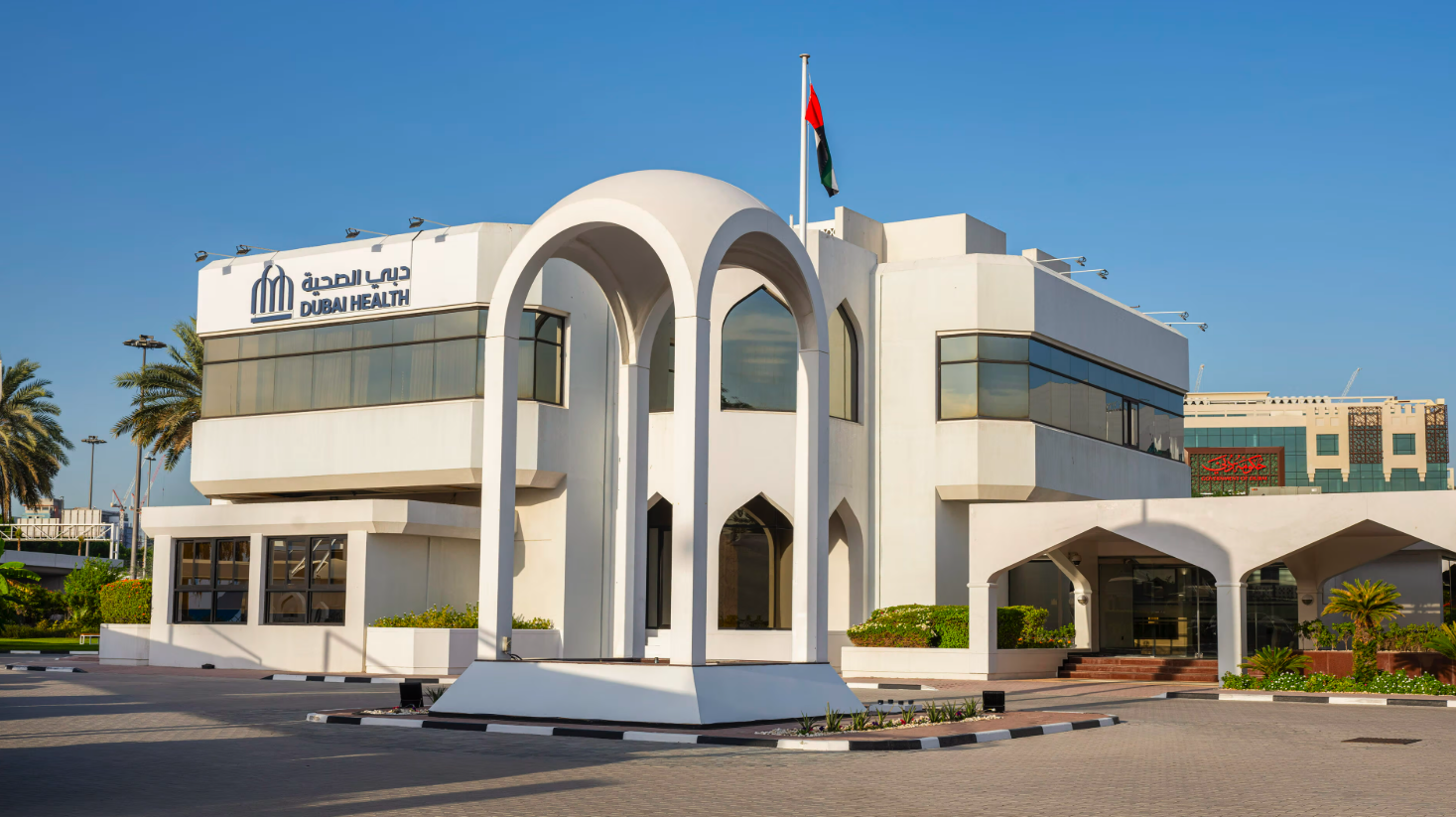
Dubai Health has announced a 46% increase in kidney transplant procedures in 2025, reflecting growing community awareness of organ donation. The procedures were carried out as part of The National Programme for Donation and Transplantation of Human Organs and Tissue ‘Hayat’.
The announcement coincides with World Kidney Day, observed annually on 12 March. According to the latest figures, Dubai Health physicians performed 73 successful kidney transplants in 2025, compared with 50 procedures in 2024.
Through its integrated academic health system, Dubai Health supports organ transplantation efforts in collaboration with several federal, local, and private entities, including the Ministry of Health and Prevention (MoHAP), Dubai Health Authority, Dubai Healthcare City Authority, Dubai Airports, Dubai Corporation for Ambulance Services (DCAS), the General Directorate of Identity and Foreigners Affairs in Dubai, Dubai Customs, Dubai Police General Headquarters, Dubai Public Prosecution, Mediclinic City Hospital, as well as several private sector hospitals. This collaboration reflects a coordinated national effort to strengthen organ donation and transplantation programmes across the UAE.
Dr. Mohamed Al Awadhi, Executive Director of the Dubai Health Women and Children's Campus, and Chair of the Dubai Health Organ Donation and Transplantation Committee, said: “The increase in kidney transplant procedures during 2025 reflects the UAE’s continued progress in driving awareness of organ donation, supported by the national efforts led by The National Programme for Donation and Transplantation of Human Organs and Tissue ‘Hayat’, and the effective collaboration among healthcare entities across the country.”
He added: “At Dubai Health, we operate through an integrated academic health system that brings together care, learning, discovery, and giving. This approach enables us to advance organ transplant programmes in line with the highest international medical standards, while also developing specialised medical professionals and strengthening coordination with healthcare entities and strategic partners to expand transplant services and improve patient access to essential treatments.”
Nujood AlKhloofi, Senior Director of the Organ Donation and Transplantation Program at Dubai Health, said: “The continued growth of Dubai’s kidney transplant programme reflects the success of national efforts to promote organ donation and transplantation in the UAE, helping save the lives of many patients and improving their quality of life.”
She added: “As part of Dubai Health’s commitment to supporting organ donation initiatives, qualified coordinators have been assigned to manage the donation process and ensure procedures are conducted efficiently. Their capabilities have also been strengthened through hands-on training programmes, in addition to participation in conferences and workshops.”
Supporting Patients
Maha Al Taher, Clinical Transplant Coordinator at Dubai Health, explained that the work of transplant coordinators combines both clinical expertise and compassionate patient support. Coordinators stay with patients and their families throughout the treatment journey, manage medical records, and coordinate with medical teams. This ensures that required evaluations, tests, and appointments are completed seamlessly, enabling patients to be placed on transplant waiting lists in accordance with the highest standards of safety.
Dhai Abdulla Binjarn, Clinical Transplant Coordinator at Dubai Health, said that the transplant coordinator’s role begins with identifying eligible cases and providing initial awareness and counselling to the patients and families. This is then followed by medical, social, and financial assessments, ensuring comprehensive support through every step of the journey.
Abdalazeez Alghraizat, Clinical Pediatric Transplant Coordinator at Dubai Health, emphasised that the coordinator plays a critical role in paediatric transplant care by closely monitoring children’s medical conditions, coordinating with the clinical teams, and supporting families.
Community Initiatives
Through its community initiatives, Al Jalila Foundation, the philanthropic arm of Dubai Health, supports the kidney transplant programme by providing financial assistance to patients who cannot afford treatment. The Foundation launched the ‘Your Donation Saves Lives’ programme, which drives funding for transplants, alongside several care programmes.
Educational Programmes
The Mohammed Bin Rashid University of Medicine and Health Sciences (MBRU), the learning and discovery arm of Dubai Health, contributes to advancing organ transplantation through specialised education and training programmes that equip medical professionals with the relevant expertise. These include the Adult Nephrology Fellowship Program and a training programme on ‘Core Skills in Organ Donation’. The University is also conducting scientific studies and research to further advance best practices in organ transplantation.
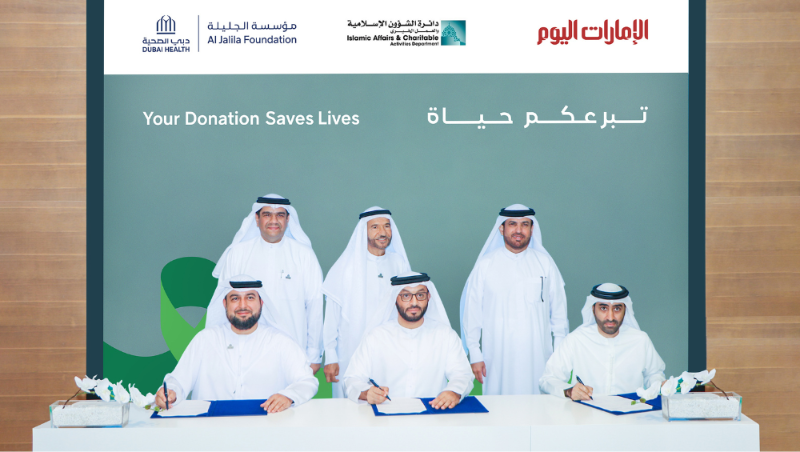
Al Jalila Foundation Offers Hope to Patients Awaiting Kidney Transplants
Al Jalila Foundation, Emarat Al Youm newspaper, and the Islamic Affairs and Charitable Activities (IACAD) Department in Dubai, have signed a memorandum of understanding (MoU) to launch Your Donation Saves Lives, the second edition of an initiative to support patients in need of kidney transplantation in Dubai. The fundraising campaign urges businesses, entrepreneurs, and community members to embrace the initiative and offer essential support to those in need.
The MoU was signed by Executive Director of the Charitable Sector, Mohamed Musabih
of the Islamic Affairs and Charitable Activities Department in Dubai; Dr. Amer Al Zarooni, Chief Executive Officer of Al Jalila Foundation; and Saud Al Darbi, Head of the News and Publishing Centre at Dubai Media Incorporated (DMI). The signing took place in the presence of Dr. Amer Sharif, Chief Executive Officer of Dubai Health.
Al Jalila Foundation, which leads Dubai Health's giving mission, will be responsible for identifying patients within Dubai Health’s healthcare facilities, including Dubai Hospital, Al Jalila Children’s Hospital, and Mediclinic City Hospital. Al Jalila Foundation will provide the healthcare facilities with comprehensive details about the patients, their medical conditions, and the funds required for transplants and post-operative care. Furthermore, they will take measures to ensure that these cases receive timely support from the initiative.
As a strategic partner, Emarat Al Youm newspaper will be responsible for transferring donations and contributions received through a hotline service. IACAD has pledged to collaborate with all parties and distribute donations to Dubai Health patients, identified by Al Jalila Foundation.
His Excellency Ahmed Darwish Al Muhairi, Director General of the Islamic Affairs and Charitable Activities Department in Dubai, confirmed that signing the MoU with Al Jalila Foundation and Emarat Al Youm newspaper supports the national agenda for achieving a better life for citizens and residents of the UAE, helping to empower and further humanitarian work in line with the vision of the wise leadership for supporting the spirit of giving in humanitarian work locally, regionally, and internationally. He explained that it also encourages community members to save lives and improve the quality of life of patients with organ failure, helping them return to being productive members of society.
Dr. Amer Sharif, Chief Executive Officer of Dubai Health, said, “We are grateful to our partners in this campaign, as it marks another significant step towards providing support to patients in need. Through this collaboration, we combine expertise and resources to positively impact individuals and society, advancing health for humanity. At Dubai Health, we’re guided by our primary value of ‘Patient First,’ and are dedicated to providing our communities the highest quality healthcare and treatment.”
Dr. Amer Al Zarooni, Chief Executive Officer of Al Jalila Foundation, said, “We at the Al Jalila Foundation are pleased to launch the second edition of the ‘Your Donation Saves Lives’ campaign, aimed at raising funds for kidney transplant operations. By providing critical support for life-saving surgeries and therapeutic services, we are building on the success of the campaign’s first edition, which treated over 38 kidney failure patients and significantly reduced the financial burden on their families. This ongoing collaboration is a testament to our commitment to advancing humanitarian efforts, underscored by Dubai Health’s spirit of giving.
Saud Al Darbi, Head of the News and Publishing Centre at Dubai Media Incorporated, said that Emarat Al Youm has a history of participating in important initiatives such as Your Donations Save Lives, so deciding to participate was natural. These include a strong legacy of partnerships with governmental and semi-governmental entities to deliver community initiatives.“Based on prior experiences, the newspaper has confidence that philanthropic businessmen and community members will react to the initiative so that these patients can be treated.”